Why Kids Are Obsessed With Squishies (And What It Means)

A hand squeezes a clear stress ball filled with colorful beads and gel, set against a blurred background of denim fabric.

Your child squeezes the same squishy toy again and again. This is not a phase. It is sensory science at work. Soft, tactile toys support emotional regulation, calm the nervous system, and feed a deep need called proprioception. Discover why your child reaches for squishies, what their hands are telling you, and how to support their sensory world.

When Worry Won’t Stop: Signs Your Anxiety May Need Professional Support

A man with short dark hair and a beard sits on a wooden bench outdoors, resting his chin on his hand and looking thoughtfully into the distance. The background is green and blurred, suggesting a park or garden setting.

Everyone experiences stress, but persistent worry that interferes with daily life may be a sign of anxiety. This article explores the difference between normal stress and anxiety, common warning signs in both adults and children, and when professional counseling can help you regain a sense of calm and control.

Is It Just a Phase? How to Recognize Anxiety in Children and Teens
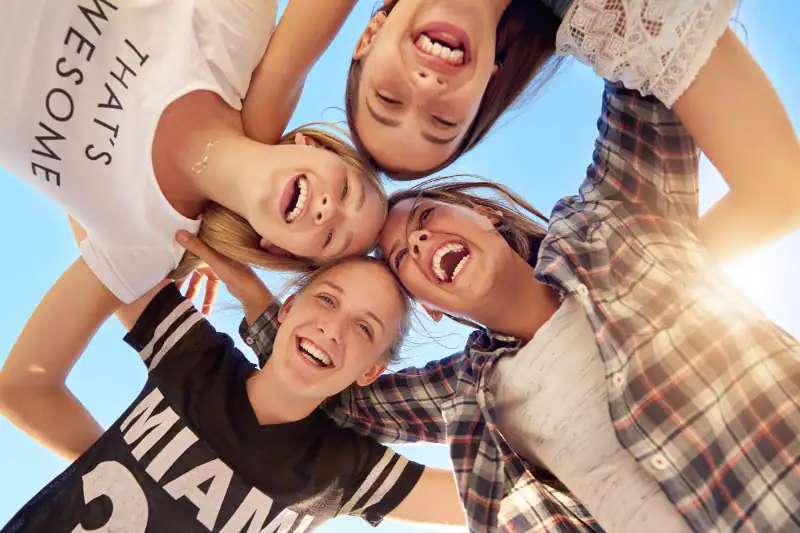
Four smiling teenage girls stand in a circle with their heads together, looking down at the camera against a blue sky, laughing and enjoying each others company.

Many children and teens experience worries as they grow, but how do you know when anxiety is more than just a phase? Learn the common signs of anxiety in young people, understand when concerns may require professional support, and discover how early intervention can help children and teens build confidence, resilience, and emotional well-being.out for support.